

Magic never disappears cleanly in the Foundlings world. It lingers — a warmth in the air, a shimmer at the edge of vision, a soft hum beneath the floorboards. The clans call these remnants echoes: the residue of spells, the memory of power, the imprint of something that mattered.
Some echoes belong to places. Some belong to people. And some, the oldest and strangest ones, belong to Margret.
No one agrees on what she is. A witch. A vessel. A reborn avatar of the Morrigan. Something older than all of that. Something newer. Something that refuses to be named. But everyone agrees on this: when Margret passes through a room, the air remembers her. Foundlings she’s touched carry a faint resonance of her magic for years — a sense of being seen, claimed, protected.
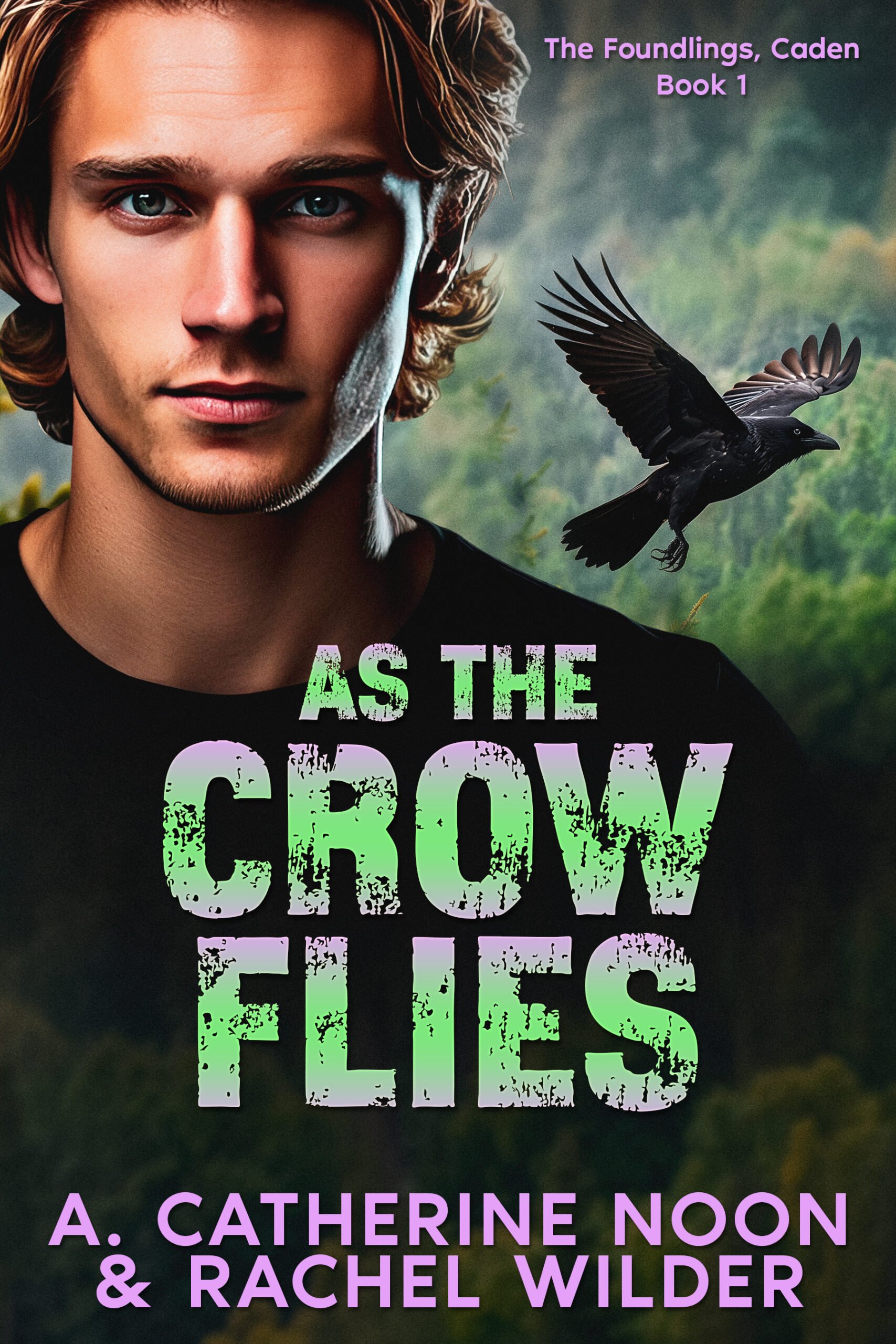
They say she hears echoes too. Not the kind left by spells, but the tremors of children in danger, the first flare of wild magic, the soft cry of a name waiting to be spoken. She follows those echoes across cities and forests and thresholds, finding the ones who need her most. Sometimes she stays for a day. Sometimes, as with Caden, she stays for a lifetime. But the echo of her arrival never fades.
There are echoes around her identity as well — whispers of who she might be, who she has been, who she will become. The clans have theories. None of them match. Margret never confirms anything. She simply smiles, as if she can hear something the rest of us can’t.
In the Foundlings world, echoes are how magic remembers. And Margret is the one who listens.